As you likely know – the orchard has been one of my primary focuses since we bought the farm in 2022. Over the past 3 years, I’ve grafted apple trees to start expanding the modest orchard at the farm. In 2024 I began experimenting with grafting my own apple trees and produced around 50 trees. I was pleasantly surprised with the success rate, so in 2025 I increased the number to 150 trees. This year I grafted 220 more.
Over the years, my approach has evolved somewhat. I’ve always been interested in heirloom apple varieties, especially those known for making exceptional cider. Researching different varieties and tracking down scion wood for grafting has become one of the most enjoyable parts of the process. More recently, I’ve even begun harvesting scion wood from some of the existing apple trees on the farm during annual pruning.
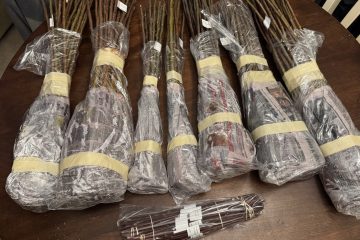
Of course, scion wood is only half of the story. Choosing the right rootstock is just as important, and there are countless options available. For better or worse, I’ve always dreamed of an orchard filled with large, free standing apple trees. While modern dwarfing rootstocks offer advantages such as earlier fruit production and higher-density plantings, they often require trellis systems for support and generally have shorter lifespans than larger trees.
Those realities, combined with memories I have of visiting the Waldo, WI apple orchard as a child, have continually drawn me toward semi-dwarf and standard-sized trees. I appreciate the idea of an orchard that can stand on its own and remain productive for generations.
As a result, I’ve experimented with a variety of semi-dwarfing rootstocks, including M7, M111, G890, EMLA7 and G969. I’ve also planted trees on Antonovka rootstock, one of the oldest and most traditional options available. Antonovka produces full-sized trees that are known for their vigor, longevity, and cold hardiness – qualities that fit well with my long-term vision for the orchard.
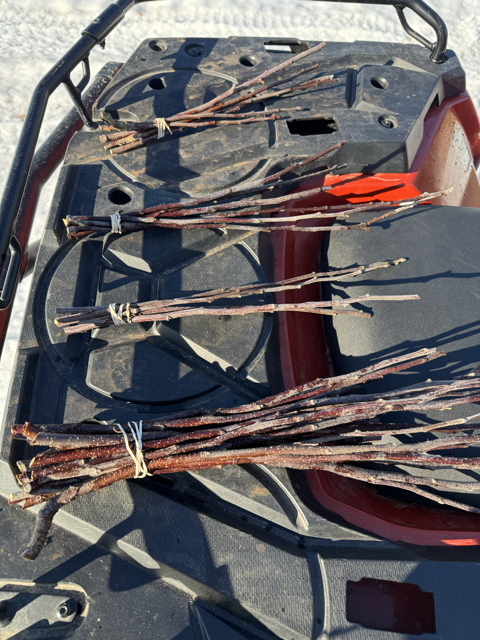
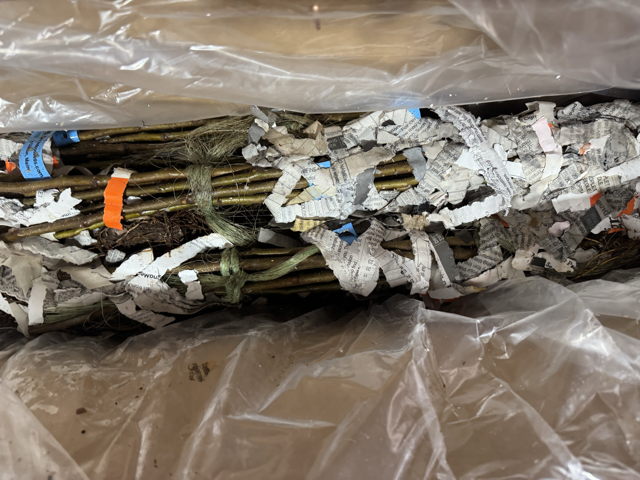
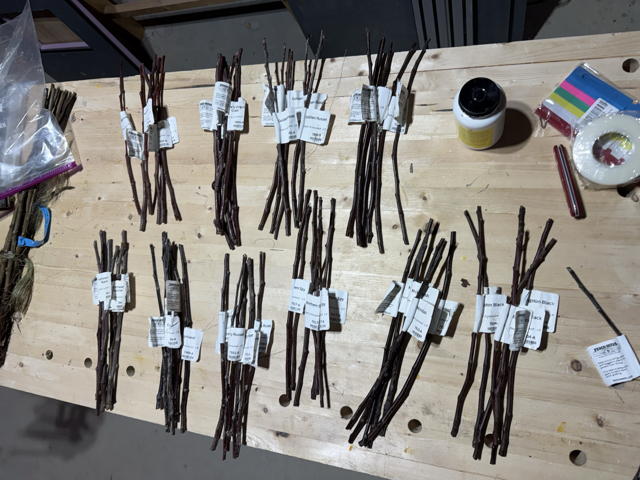
Over the first two years of grafting, I averaged about an 80% success rate across all varieties and rootstocks. In this case, “success” means the graft took and the scion produced strong vegetative growth before transplanting into the nursery.
The remaining 20% failed for a variety of reasons. In some cases the graft simply didn’t take. In others, the buds that emerged were all flower buds rather than vegetative buds. While it can be exciting to see blossoms, a newly grafted tree really needs vegetative growth to establish itself. Without new shoots and leaves, the young tree has very little chance of long-term success.
Of course, a successful graft is only the first step. Once the tree is growing well in its initial container, it must survive transplanting into the nursery. After spending time there, it then faces another transplant into its permanent location in the orchard. Every stage introduces new challenges and opportunities for losses.
The amount of time a tree spends in the nursery varies, but two years is generally the earliest I would consider moving it to its final location. My goal is for the tree to be tall enough at that point to accommodate a two-foot tree guard while still having most of the branches and growing structure above the guard. Giving the tree a strong start and some protection from wildlife greatly improves its chances of becoming a productive orchard tree for years to come.
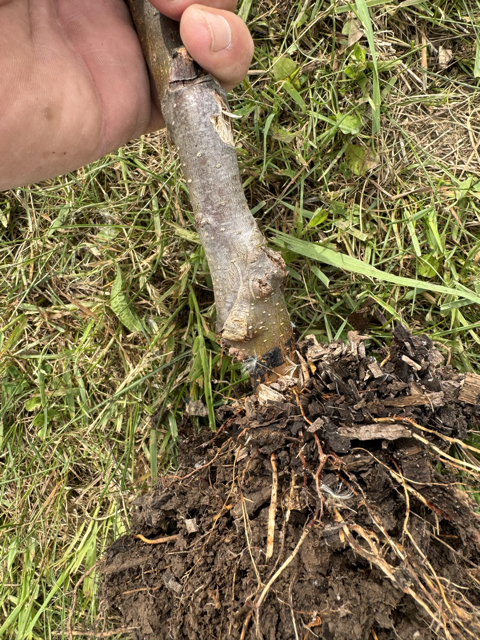
All of that being said, out of my initial grafting efforts in 2024, a total of 35 trees survived their first transplant into the nursery. Over the following year, a handful of those trees died. I’m not entirely sure what caused the losses, but my best guess is that they didn’t overwinter well enough.
Even with those setbacks, after two years in the nursery I still had about 25 healthy trees from my 2024 grafting season that looked ready to move to their permanent homes in the orchard. On top of that, roughly 120 trees from my 2025 grafting had successfully established themselves in the nursery and were growing well.
At that point, things were looking very promising, and I was beginning to feel like I was finally getting the hang of the process. What had started as an experiment was turning into a repeatable system. The success of those early years gave me the confidence to place an even larger rootstock order for 2026, increasing the total to 220 rootstocks.
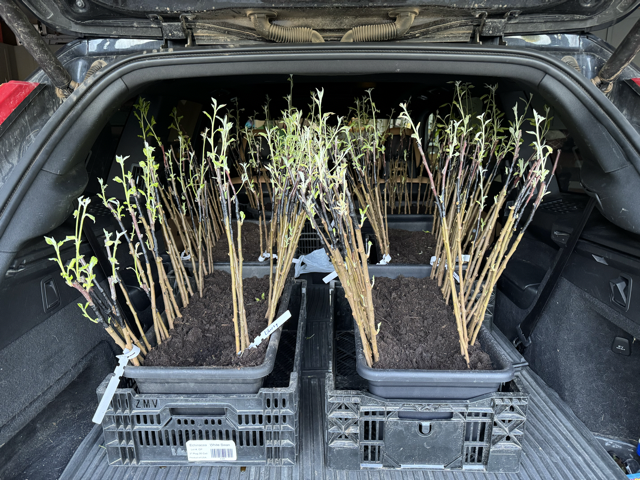
Then disaster struck.
While working at the farm this spring, I happened to walk past the nursery and noticed that the gate had fallen open. This was almost certainly my fault. I must have not secured it properly during my previous visit, and either the wind or a group of hungry deer knocked it open.
The results were devastating.
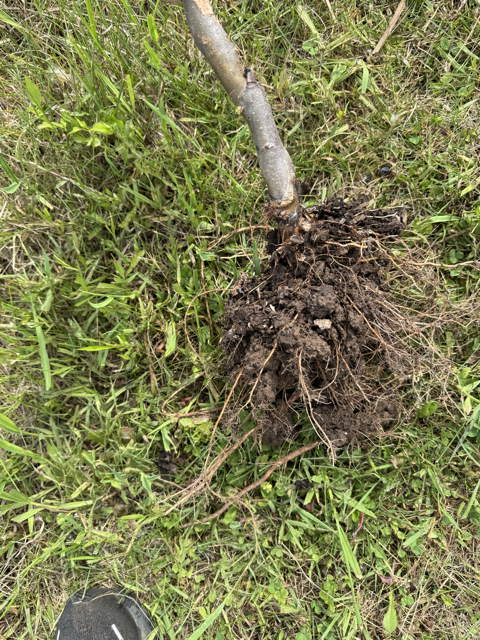
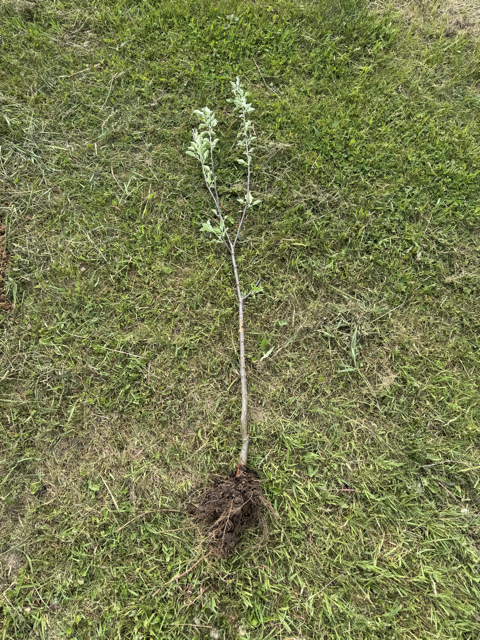
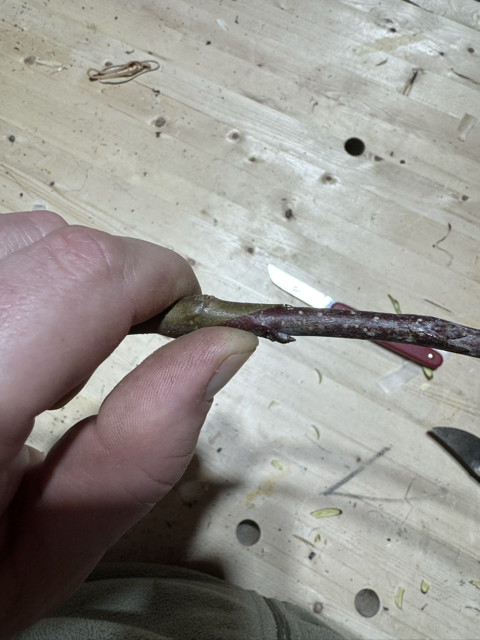
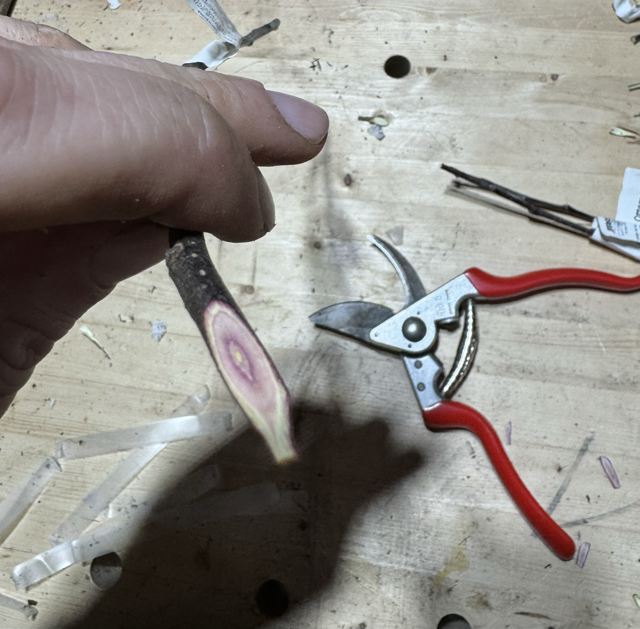
On my first inspection, it appeared that nearly every tree in the nursery had been damaged by deer and/or rabbit. I struggled to find a single tree that hadn’t been girdled. For a young tree, girdling is often a death sentence. When a tree is girdled, the bark and underlying phloem – the tissue responsible for transporting sugars and nutrients between leaves and roots – are destroyed. Once that connection is severed, the tree can no longer sustain itself.
Standing in the nursery that day, it felt like two years of work had disappeared overnight.
Despite how discouraging it was, I decided to wait and see what would happen. I knew that girdled trees can sometimes appear healthy for a period of time because they still have energy reserves stored within them. However, as spring progressed, it quickly became apparent that many of the trees were already dead, while others were beginning to decline.
It was a hard lesson and a painful reminder of how quickly nature can undo years of careful planning and effort.
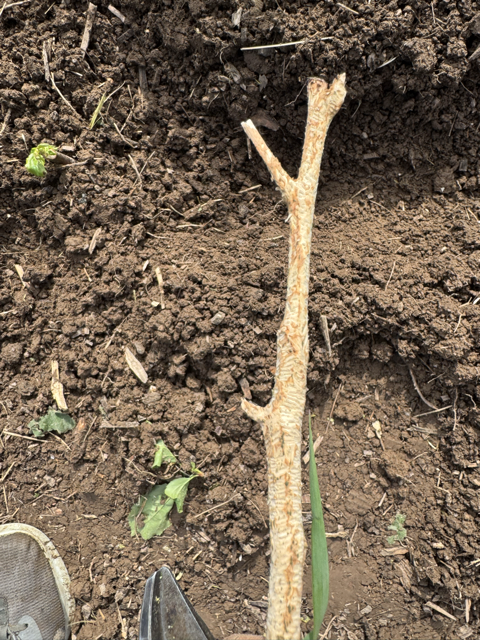
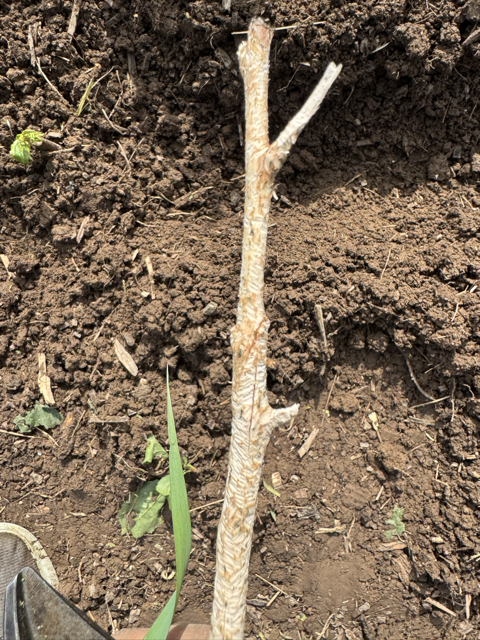
The photos above show the extend of the damage caused by the deer and likely rabbits. They stripped many of the trees down to almost nothing. What makes it especially disappointing is that these were no longer freshly grafted trees. Many of them had healed so completely that it was difficult to even see where the graft had been made. They had successfully taken, established themselves in the nursery, and appeared to be well on their way.
I waited until the end of May to make a final assessment of the damage, and the results were better than I expected. Much to my surprise, about 12 of the larger trees from my 2024 grafting season appeared to have survived. An additional six trees looked mostly dead but still had one or two healthy buds above the graft union. In the end, I only completely lost about seven of the trees that had been nearly ready for their permanent homes in the orchard.
Unfortunately, the story was much different for the 2025 grafted trees. Of the roughly 120 trees that had successfully established themselves in the nursery, only about 15 survived the animal damage. The one silver lining was that many of the rootstocks themselves remained alive and had begun sending up new shoots. While I didn’t keep an exact count, I estimate that I was able to save around 60 rootstocks. I’ve never tried carrying rootstock over for grafting the following year, so that will be another experiment and learning opportunity.
Even with the losses, there was still plenty of work to do. I transplanted 13 of the surviving trees to their permanent locations outside the nursery and installed a new electric fence around that section of the orchard to help keep deer away as the trees mature. (And of course used tree guards to protect against rabbits.)
With those trees planted, I turned my attention back to the nursery itself. For the past two years, I’ve been fighting a constant battle against weeds. My original strategy was to use mulch as a weed barrier, but I never managed to apply it deeply enough for it to be fully effective. In addition, I periodically rework sections of the nursery, and repeatedly tilling mulch into the soil felt wasteful.
Meanwhile, Laura has had great success using hay as a weed barrier in her garden. Not only does it suppress weeds remarkably well, but it also helps retain moisture by shielding the soil from direct sunlight. With that in mind, I decided this year would be a good opportunity to try the same approach in the nursery and see how it performs.
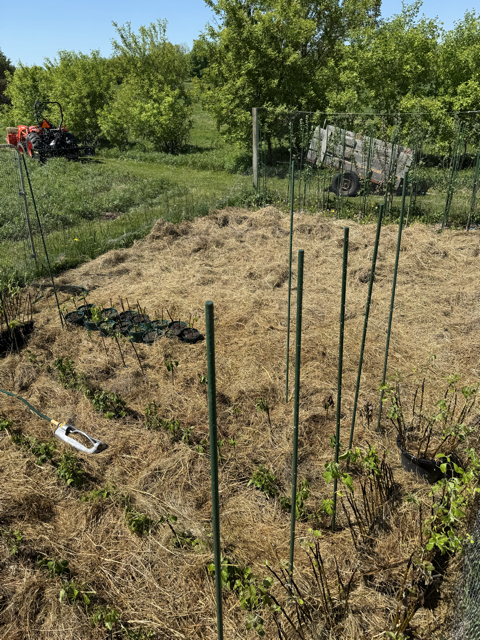
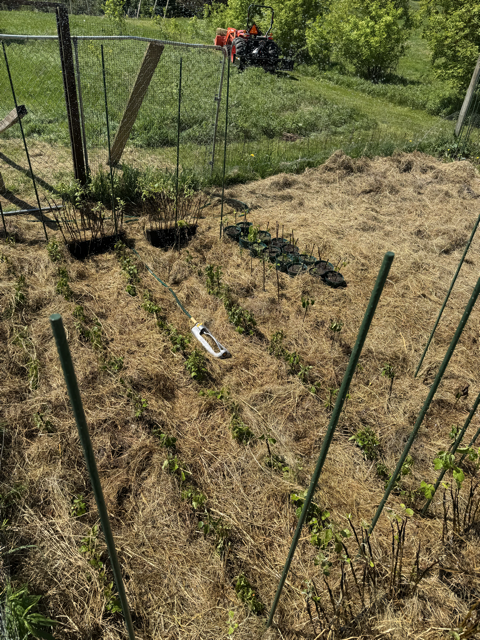
The photos above show a few rows of the saved rootstocks, along with the newly applied hay covering the rest of the nursery. My next task is to transplant this year’s grafts into the nursery, which I plan to do over the coming week. Once that’s finished, I’m hopeful that the hay will prove to be a much more effective weed barrier than the mulch I previously used. If it performs as well as it has in Laura’s garden, it should also help reduce watering needs by retaining moisture in the soil throughout the summer.
At the end of the day, I’m certainly disappointed by the damage the deer and rabbits caused. Losing that many trees was a significant setback and a tough blow to my orchard plans. At the same time, I’m trying to focus on the positives.
Being able to transplant several two-year old trees out to their permanent locations in the orchard feels like a major milestone. It confirms that I can successfully graft my own trees and, more importantly, that the overall process – from collecting scion wood and grafting, to growing trees in the nursery and eventually planting them in the orchard – is working.
I also have a substantial amount of rootstock that should be salvageable for next year’s grafting efforts, which will help reduce costs and make future expansion more affordable. On top of that, I believe I’ve finally found a sustainable approach to managing weeds in the nursery – one that may also improve moisture retention and contribute to healthier soil over time.
While this year’s losses were frustrating, the orchard continues to move forward. Every season brings new lessons, and despite the setbacks, I’m more excited than ever about what lies ahead. If all goes according to plan the next few years should be when the Birch Bend Farm orchard truly begins to take shape.


0 Comments